
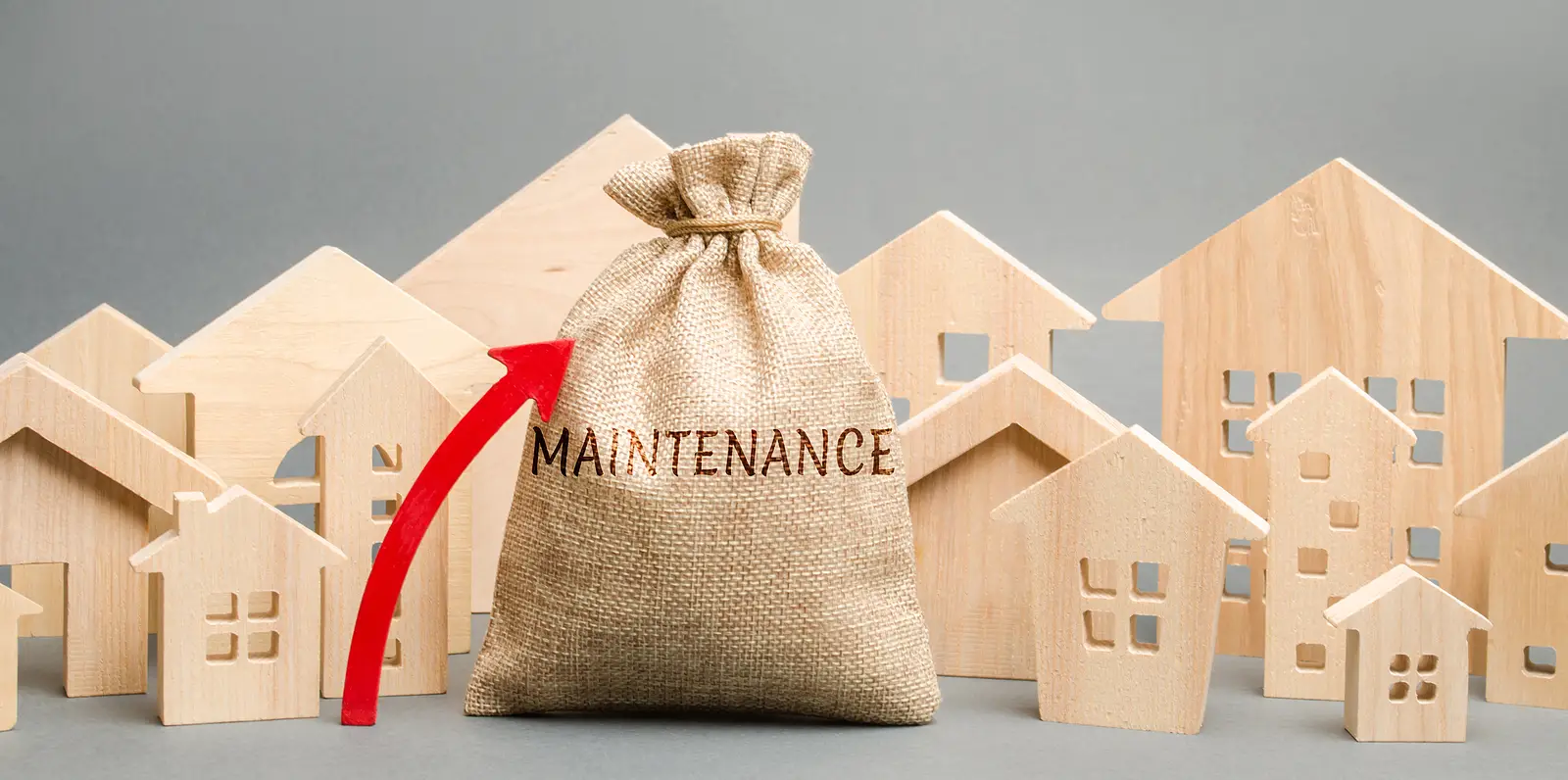
Not every renovation continues delivering value once tenants begin living in a property. Some upgrades look exceptional during a showing, but gradually become expensive to maintain as normal wear accumulates. What appears to be a smart investment at installation can eventually generate higher repair costs, longer turnover periods, and more frequent replacements.
Many Reno property owners are placing greater emphasis on long-term performance rather than luxury features alone. Insights from these smart home rental trends show how durable, practical improvements are becoming a larger priority. With renter demand remaining steady and the national vacancy rate reaching 7.1% in Q3 2025, choosing renovations that can withstand years of occupancy may help preserve profitability while reducing maintenance concerns.
Key Takeaways
- High-cost renovations do not always provide the best long-term value in rental properties.
- Durable materials often outperform luxury finishes after multiple tenant cycles.
- Trend-driven upgrades can become expensive to maintain and replace.
- Standardized fixtures help reduce repair complexity and operating costs.
- Practical renovation choices often support stronger long-term returns.
Hardwood Flooring Can Become a High-Maintenance Investment
Hardwood flooring remains one of the most sought-after upgrades among property owners. It delivers a polished appearance and often creates a positive first impression during showings.
However, rental properties expose flooring to a different level of wear than owner-occupied homes. Moving furniture, pet activity, and daily traffic gradually leave visible damage.
Why Long-Term Costs Matter
Even small scratches can become noticeable after several tenant turnovers. Repairing hardwood often requires refinishing or replacing damaged boards, which can increase vacancy time between leases.
Many investors compare renovation plans against a property value assessment to determine whether premium flooring continues generating sufficient returns over time.
Durable Alternatives Often Perform Better
Luxury vinyl plank continues gaining popularity because it offers:
- Better scratch resistance
- Improved moisture protection
- Easier turnover preparation
- Lower replacement expenses
These advantages often make it a practical solution for long-term rental ownership.
Premium Carpet Can Wear Out Faster Than Expected
Carpet may initially create a warm and comfortable atmosphere, but rental properties often shorten its useful lifespan.
Foot traffic patterns, furniture impressions, accidental spills, and everyday occupancy contribute to deterioration. High-end carpet frequently requires replacement sooner than many owners anticipate.
Replacement Costs Add Up Quickly
Cleaning can extend a carpet's life, but repeated turnovers often accelerate wear beyond what maintenance alone can solve.
Property owners evaluating overall property functionality often benefit from ideas shared in these thoughtful floor plan concepts, where long-term usability plays a central role in property performance.
Hard-surface flooring generally provides greater durability while reducing replacement frequency.
Custom Cabinet Finishes Can Create Future Repair Challenges
Custom cabinetry often helps a kitchen stand out. Specialty colors, decorative finishes, and unique detailing can certainly attract attention.
Yet kitchens receive heavy daily use, and cosmetic damage often becomes unavoidable after several leasing cycles.
Why Simpler Designs Hold Up Better
Custom colors may become unavailable years later, making repairs more difficult and expensive. Matching damaged surfaces sometimes requires refinishing entire sections rather than addressing a single issue.
Benefits of straightforward cabinet designs include:
- Easier maintenance
- Simpler touch-ups
- Broader renter appeal
- Lower repair costs
These advantages often help owners control expenses over the life of the property.
Designer Fixtures Can Increase Maintenance Complexity
Decorative lighting and specialty hardware frequently appear on renovation wish lists. While these upgrades can improve visual appeal, they may create maintenance issues down the road.
According to the U.S. Energy Information Administration, lighting accounts for approximately 3.4% of electricity use in American homes. Because lighting systems operate daily, fixtures naturally experience wear over time.
Common Challenges With Specialty Fixtures
Owners may encounter several issues when repairs become necessary:
- Discontinued replacement components
- Longer repair timelines
- Limited product availability
- Higher labor expenses
Standardized fixtures often simplify maintenance planning and reduce future repair complications.
Many owners also evaluate renovation spending alongside broader financial goals discussed in this guide to rental income growth, where controlling operating costs plays a major role.
Trend-Focused Kitchens Often Lose Appeal Quickly
Design trends change rapidly. A kitchen that feels modern today may seem dated only a few years later.
Bold colors, highly customized backsplashes, and statement finishes can limit a property's long-term flexibility.
Timeless Choices Usually Deliver Better Results
Neutral finishes and durable materials often remain attractive to a wider range of prospective renters.
Many successful investors prioritize:
- Functional layouts
- Neutral color palettes
- Durable surfaces
- Easy-to-source materials
These choices help reduce future renovation expenses while maintaining market appeal.
Built-In Features Can Limit Future Leasing Flexibility
Custom built-ins may appear useful, but they often reduce a property's adaptability.
Every tenant uses living spaces differently. Fixed shelving, entertainment units, and specialized storage systems can make rooms feel less versatile.
Flexibility Supports Broader Tenant Appeal
Properties that accommodate different lifestyles generally attract a larger pool of prospective renters.
Common drawbacks of built-ins include:
- Restricted furniture placement
- Higher repair costs
- Specialized replacement needs
- Reduced room flexibility
Open layouts often create greater versatility without sacrificing functionality.
Luxury Bathrooms Can Become Costly to Maintain
Bathrooms experience heavy use every day. As a result, premium finishes often require more upkeep than owners initially expect.
Frameless glass showers, specialty hardware, and designer surfaces can become expensive to maintain as wear accumulates.
Property owners examining broader leasing strategies often find value in recommendations from these leasing incentive strategies, which similarly emphasize practical decisions that improve long-term property performance.
Durable Materials Often Deliver Better Returns
Instead of focusing exclusively on luxury features, many investors choose materials that simplify maintenance.
Durable bathroom improvements often provide:
- Easier cleaning
- Faster repairs
- Lower upkeep costs
- Longer service life
These benefits help reduce turnover preparation time while controlling operating expenses.
FAQs about Rental Renovations in Reno, NV
Which renovation materials tend to create the most maintenance requests from tenants?
Materials that scratch easily, stain quickly, or require specialized care often generate more maintenance concerns. Selecting durable surfaces can help reduce repair requests while improving the property's overall longevity.
Can over-improving a rental property reduce investment returns?
Yes. Renovations that significantly exceed local renter expectations may not generate enough additional income to justify their costs, making it harder to recover the original investment over time.
How can owners make renovation decisions with future tenants in mind?
Focusing on durability, functionality, and broad appeal often helps properties remain attractive across multiple tenant cycles. Flexible designs usually adapt better to changing renter preferences.
Why are replacement costs important when choosing upgrades?
The initial installation cost represents only part of the expense. Future repairs, replacement materials, and labor costs can significantly influence the long-term value of a renovation project.
What role does maintenance planning play in renovation decisions?
Maintenance planning helps owners estimate future expenses before investing in upgrades. Understanding ongoing care requirements can prevent costly surprises and support more informed property improvement decisions.
The Real Test of a Renovation Happens Years Later
The true value of a rental renovation often becomes clear after multiple lease cycles, not immediately after installation. Materials that remain attractive, functional, and easy to maintain usually contribute more to long-term profitability than upgrades chosen primarily for appearance. Careful renovation planning can help reduce future expenses while preserving tenant appeal.
At PMI Sage Rose, we help property owners evaluate improvements through a long-term ownership perspective. Whether you're looking to reduce maintenance demands or improve operational efficiency, Safeguard your property between visits and gain greater confidence in your property's ongoing condition while protecting your investment for the future.