
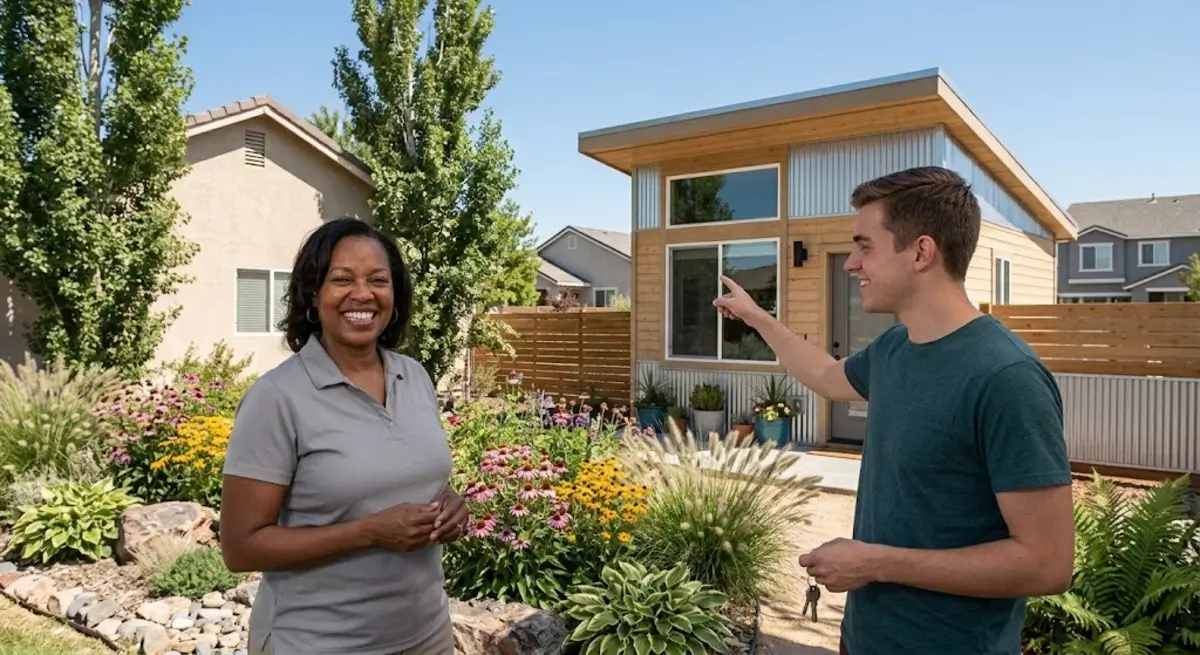
An empty basement or an unused garage stall represents money that's already sitting on the property, waiting for a purpose. Reno owners who've looked into renovations that hold value know that durability matters more than a quick cosmetic fix, and the same logic applies to converting unused space into a second unit.
Prices for a second investment property in this market put that option out of reach for a lot of owners right now. Building a legal unit on land already owned skips that expense entirely while still adding a second stream of rent.
Key Takeaways
- A second unit lets Reno owners add rental income without purchasing more land.
- Nevada's shifting accessory dwelling unit rules have made these projects easier to plan and permit.
- A well-placed second unit tends to raise both monthly cash flow and resale value.
- Reviewing financing, screening, and upkeep details early keeps owners from stumbling into avoidable costs.
The Space That's Already Costing You Money
Most properties in this area hold at least one section producing nothing useful, and recognizing it is the first step toward turning it into income.
- A detached garage that hasn't held a car in years.
- An unfinished basement collecting boxes and old furniture.
- A bonus room that only gets used a few times a year.
Turning any of these into a legal rental generally means adding a private entrance, kitchen, and bathroom so the space functions as its own unit, then confirming the layout meets current city and county standards before construction starts.
One owner near Sparks had a detached garage that hadn't held a vehicle in over a decade. He added a kitchenette and separated the entrance from the main house, and leased it within a month, picking up several hundred dollars in added monthly income without touching his lot size.
Local Approval Is More Predictable Than It Used To Be
Nevada municipalities have clarified their rules around accessory units in recent years, which shortens the distance between planning a build and actually collecting rent from it. Local contractors have grown more familiar with these projects as demand has climbed across the region. This shift has made the process far smoother for owners who might have found the permitting side intimidating just a few years ago.
Placement Still Shapes the Return
Not every neighborhood in the Reno area carries the same rental demand, so where the unit sits on the lot still matters even within one city. National figures back up how common this approach has become. Nearly 1 in 5 residential units produced today in ADU-friendly states is a second unit like this one.
Factors Worth Weighing
Proximity to schools and major employers tends to support higher rent, and lot shape often determines whether a garage conversion or a detached structure makes more sense. Owners weighing that decision often lean on our guarantee programs for owners already covering the main house, and extending that same standard of care to a second unit protects the investment from day one.
What a Second Unit Does to Resale Value
Beyond the added rent, a second unit tends to raise what the whole property is worth to a future buyer. Appraisers across the region have reported a pattern that mirrors what happens nationally, where properties with an accessory dwelling unit consistently appraise higher than comparable properties without one. That's a meaningful cushion for owners thinking about resale, not only the monthly rent check.
Financial Details Owners Often Miss
A few surprises tend to show up once owners run real numbers on a second unit rather than rough estimates.
- Financing usually comes from home equity, a construction loan, or a cash-out refinance, and each carries different repayment terms.
- Rental income from the unit is taxable, so depreciation, insurance, and maintenance need their own paper trail apart from the main house.
- Utilities, landscaping, and repairs for the new unit add ongoing costs that belong in the rent calculation from day one.
Keeping this second income stream organized rather than blended into one set of books tends to make tax season far less stressful, especially with a more predictable rent flow already in place for the main house.
Filling the New Unit With the Right Tenant
A finished second unit only earns money once it's leased, and that part isn't automatic. Owners sometimes assume the same marketing that filled their main house will work the same way for a smaller, standalone space, and it often doesn't. A surge of inquiries right after posting a listing can feel promising, but interest that doesn't convert into qualified applicants wastes valuable time. Adjusting the listing to fit the smaller unit's actual audience tends to bring in serious renters far faster.
Two Units Bring Two Sets of Responsibilities
Adding a unit means adding a second tenant relationship and a second list of ongoing concerns, not just a second rent check.
- A separate lease apart from whatever agreement covers the main house.
- A full round of screening, since background and rental history checks apply regardless of unit size.
- A second set of maintenance requests, since repairs now cover two structures instead of one.
Setting clear expectations that last from the very first conversation tends to prevent a lot of the confusion that shows up later in a lease. One owner assumed the tenant pool that worked for her main house would work for the second unit too, and it sat vacant longer than she expected until she adjusted her approach to fit a smaller, standalone rental.
Deciding If This Fits Your Property
Start with what you actually want from the property before committing to a design. Steady, higher monthly income without buying another home is worth serious consideration for a lot of owners in this market. Appraisers nationally have reported that the median value for properties with an accessory dwelling unit reached $1,064,000 in 2023, notably higher than comparable properties without one, a figure worth weighing alongside the rent itself.
A free rental analysis gives realistic rent expectations based on comparable properties nearby, which helps settle the question before any money goes toward plans.
Where to Learn More Before You Build
Owners considering this step often have questions that go beyond rent projections, from zoning specifics to how a second tenant affects insurance coverage. Our owner resources page covers many of these topics in more depth, giving owners a starting point before they commit to a contractor.
FAQs about ADUs as a Rental Income Strategy in Reno, NV
Does Reno's climate create any special foundation requirements for a second unit?
Freeze-thaw cycles through winter months mean foundations typically need to sit below the local frost line. A licensed contractor familiar with regional codes can confirm the right depth for a given lot.
Can I add a second unit if my property is on a shared well?
It depends on the well's capacity and local health district rules, so a water availability review is usually the first step. Some lots require an upgraded system before a second unit can be approved.
Will adding a unit change how my property is zoned?
Most accessory units don't trigger a full rezoning, since they're typically permitted under existing residential zoning with specific conditions. Confirming this with the local planning department avoids surprises during permitting.
Does a second unit need its own trash and recycling service?
Many municipalities allow one shared service for both structures, though some require separate accounts once a unit is independently leased. Checking with the local waste provider clarifies which applies.
How soon after finishing construction can I legally start collecting rent?
Once the unit passes final inspection and receives its certificate of occupancy, leasing can begin immediately. Scheduling the inspection early in the process helps avoid delays once a tenant is ready to move in.
Momentum Carries a Second Unit Past Its First Vacancy
Reno owners who finish this kind of build often say the hardest part was getting started, not filling the unit once it was ready. PMI Sage Rose stays involved through every stage, from early permitting conversations to handing over the keys at move-in, so the process keeps moving instead of stalling out at any single step. See what your property could earn once a second unit is part of the picture.